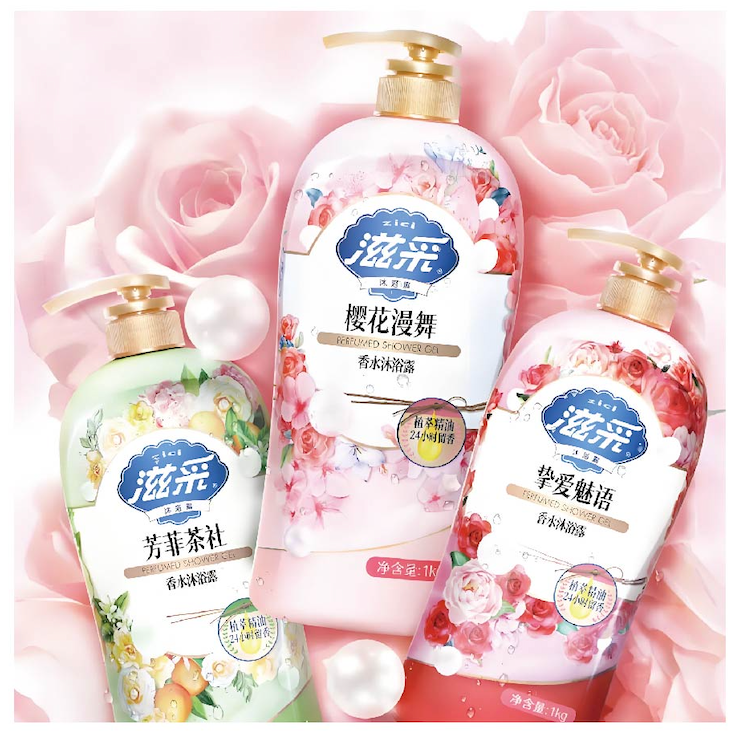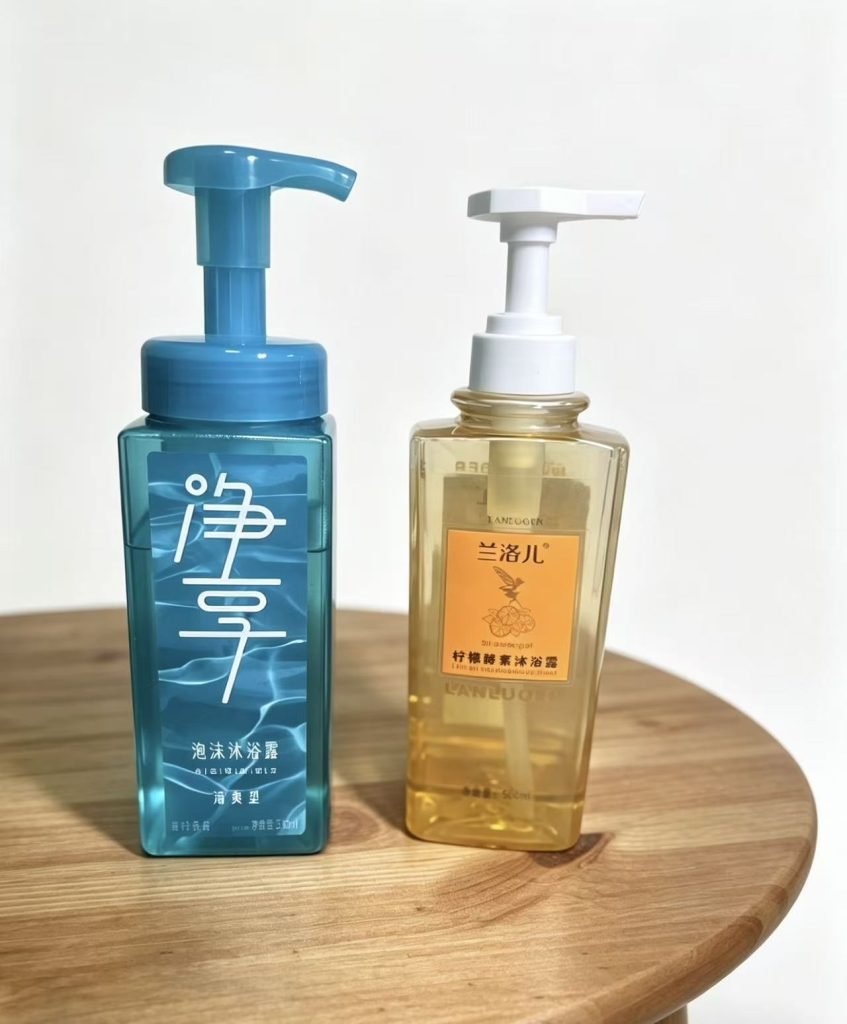
Label application problems are common in industries such as cosmetics, food & beverage, wine, daily chemicals, and healthcare products. During production or actual product use, labels may experience edge lifting, wrinkles, or bubbles, especially on curved or irregular containers.
These issues not only affect product appearance but may also reduce brand image and labeling efficiency.
In this article, we explain the most common label application problems and the key factors that cause them.
If you have any questions, please contact us.
1. Why Labels Lift on Small-Diameter Bottles
Small-diameter bottles are one of the most challenging packaging types for label application. Common examples include:
Essential oil bottles
Cosmetic serum bottles
Small pharmaceutical containers
Lip balm tubes
Sample-size packaging
When labels are applied to tight curved surfaces, the label material naturally tries to return to its flat shape. If the material or adhesive is not suitable, edge lifting may occur after application.
Main Causes of Edge Lifting
Label Material Is Too Thick
Thicker label materials are generally less flexible. On small curved surfaces, stiff materials create tension around the edges, causing the label corners to lift over time.
For small bottles, softer and more flexible materials are usually recommended, such as:
Thin BOPP film
PE film labels
Flexible synthetic materials
These materials conform better to curved surfaces.
Adhesive Strength Is Insufficient
Adhesive performance is another critical factor. If the adhesive tack is too weak, the label cannot maintain stable bonding on curved surfaces.
This issue becomes more serious when products are exposed to:
Moisture
Refrigeration
Oil or chemical contact
Frequent handling
Selecting the correct adhesive based on the product environment is essential for long-term label performance.
2. Why Irregular Bottles Cause Wrinkles, Bubbles, or Lifting
Irregular-shaped containers often create more complex labeling challenges. Examples include:
Tapered bottles
Oval containers
Curved cosmetic bottles
Wine bottles with textured surfaces
Specialty packaging designs
When the bottle shape changes across the labeling area, the label cannot distribute tension evenly, which may result in:
Wrinkling
Air bubbles
Edge lifting
Misalignment
Common Causes of Label Wrinkling and Bubbling
Incorrect Label Size or Shape Design
Many labeling problems begin during the design stage.
If the label dimensions are not optimized for the container shape, the label may overlap curved areas or uneven surfaces, increasing application stress.
A proper label design should consider:
Bottle curvature
Flat labeling area
Corner radius
Application direction
Label material flexibility
For tapered bottles, reducing label height or adjusting corner shapes can often improve application performance significantly.
Incorrect Labeling Machine Settings
Even with suitable materials, incorrect machine settings can still create application problems.
Key factors include:
Label dispensing angle
Application pressure
Conveyor speed
Bottle rotation synchronization
If the dispensing speed is too fast or the angle is incorrect, air may become trapped under the label surface, causing bubbles or wrinkles.
Proper machine calibration is especially important for automatic labeling lines.
Unsuitable Adhesive Selection
Different packaging materials require different adhesive systems.
For example:
Glass bottles
PE containers
PET bottles
Metal packaging
Frosted surfaces
all respond differently to adhesives.
Environmental conditions also affect adhesive performance, including:
Cold storage
Humidity
Oil exposure
Water contact
Heat during transportation
Using the wrong adhesive may cause delayed lifting, bubbling, or poor bonding.
How to Reduce Label Application Problems
To improve labeling performance, manufacturers should evaluate the following factors together:
Choose Flexible Label Materials
Flexible materials adapt better to curved or irregular surfaces and reduce application stress.
Select the Correct Adhesive
Adhesives should match both the container material and the actual usage environment.
Optimize Label Dimensions
Proper label sizing can reduce tension and improve appearance on difficult surfaces.
Test Before Mass Production
Before full production, application testing is strongly recommended, especially for:
Small-diameter bottles
Curved containers
Refrigerated products
Cosmetic packaging
Premium wine labels
Testing helps identify problems early and reduces production risk.
Final Thoughts
Successful label application depends on the combination of:
Suitable label materials
Proper adhesive selection
Accurate label design
Correct machine settings
For challenging bottle shapes or demanding environments, working with an experienced label manufacturer can significantly improve labeling efficiency and product appearance.
If you are experiencing label lifting, bubbling, or wrinkling issues, testing customized label solutions before large-scale production is always recommended.
FAQ
Why do labels lift on small bottles?
Labels often lift on small bottles because the material is too stiff or the adhesive strength is insufficient for tight curved surfaces.
What causes wrinkles during label application?
Wrinkles are commonly caused by improper label dimensions, irregular bottle shapes, or incorrect labeling machine settings.
How can bubbles under labels be prevented?
Bubbles can be reduced by optimizing application speed, adjusting dispensing angles, and selecting suitable adhesive materials.
Which label materials work best for curved bottles?
Flexible materials such as PE film and thin BOPP labels generally perform better on curved or irregular containers.