Quick Answer
The best materials for cosmetic labels are usually BOPP, PET, and vinyl, because they provide excellent waterproof performance, durability, and resistance to oils and chemicals commonly found in cosmetic products.
Choosing the right label material helps maintain a professional appearance and ensures the label remains intact during product use.
Best Label Material for Different Products
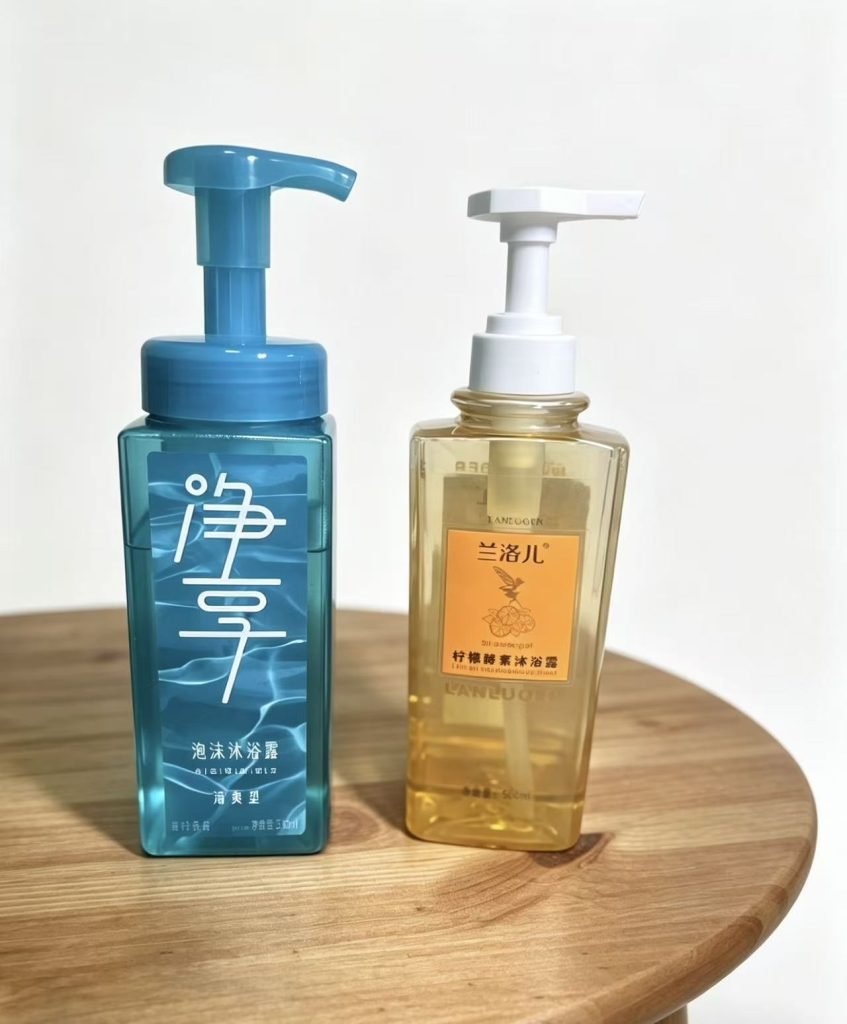
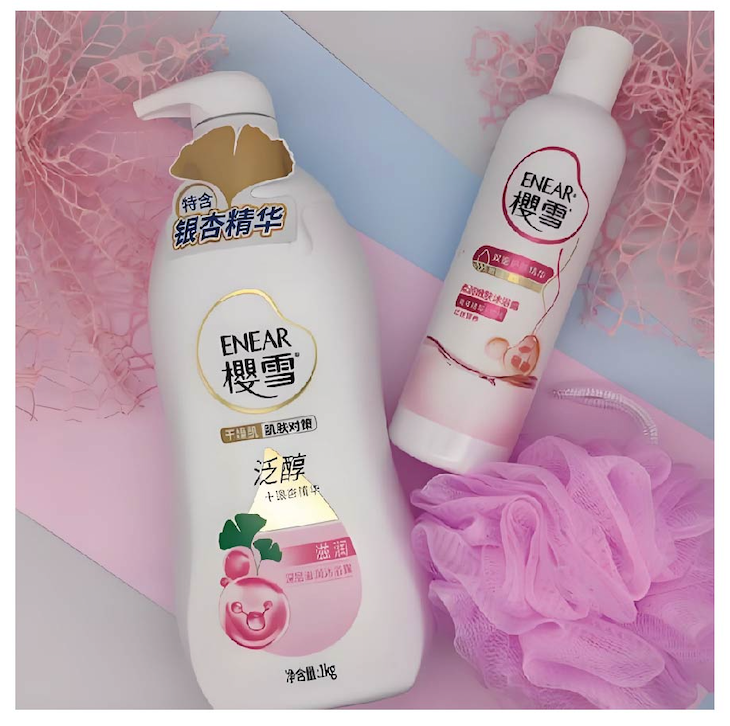
Shampoo bottles: BOPP labels are recommended for their waterproof and flexible properties.
Detergent bottles: PE labels are ideal due to strong adhesion on curved surfaces.
Wet wipes packaging: PET labels provide durability and resistance to moisture.
Cosmetic & Daily Chemical LabelsWhat Are Cosmetic Label Materials?
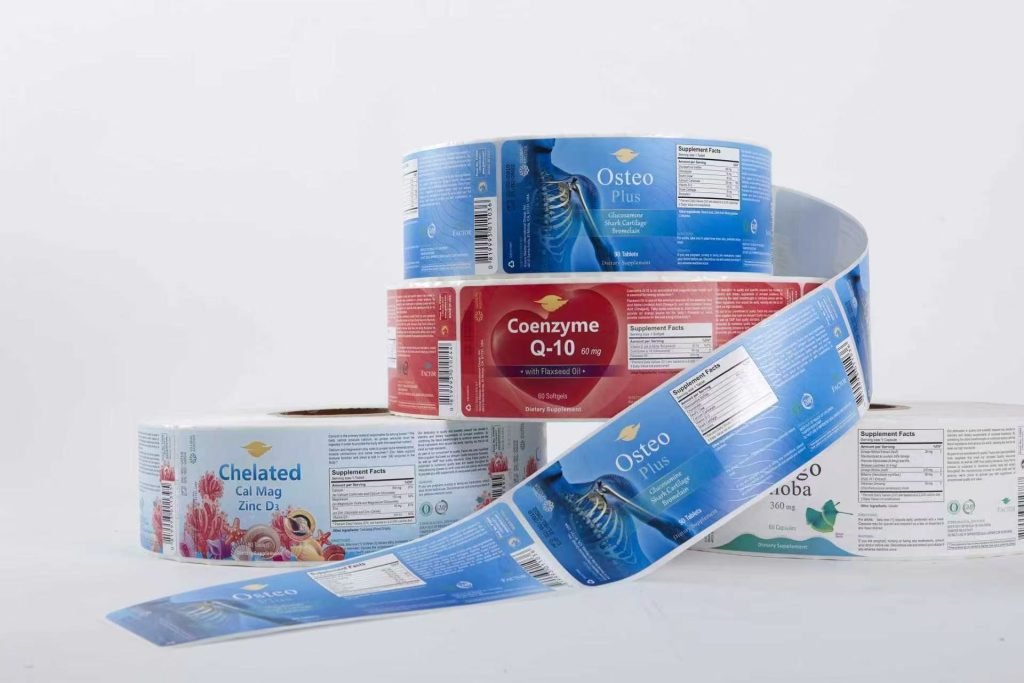
Cosmetic label materials refer to the substrates used for printing labels on beauty and personal care products such as shampoo bottles, skincare containers, and cosmetic jars.
These labels must meet several important requirements:
- Waterproof performance
- Oil resistance
- Strong adhesion
- Attractive appearance
Selecting the correct material ensures that labels remain durable while enhancing the visual appeal of the packaging.
Looking for durable and waterproof labels for your daily chemical products?
Common Materials Used for Cosmetic Labels
BOPP Labels
BOPP (Biaxially Oriented Polypropylene) is one of the most widely used materials for cosmetic labels.
Key advantages include:
- Waterproof and moisture resistant
- Flexible and durable
- Cost-effective for large production
BOPP labels are commonly used on shampoo bottles, lotion packaging, and other personal care products.
PET Labels
PET labels are known for their excellent durability and heat resistance.
Key features include:
- High temperature resistance
- Strong durability
- Premium appearance
PET labels are often used for high-end cosmetic products or packaging that requires extra durability.
Paper Labels
Paper labels are a more economical option for certain products.
Advantages include:
- Lower cost
- Easy printing
- Suitable for dry environments
However, paper labels are not recommended for products exposed to moisture or oils.
Comparison of Cosmetic Label Materials
| Material | Waterproof | Durability | Cost | Typical Use |
| BOPP | Excellent | Good | Low | Shampoo bottles |
| PET | Excellent | Excellent | Medium | Premium cosmetics |
| Paper | Poor | Low | Low | Dry packaging |
How to Choose the Right Cosmetic Label Material
When selecting label materials for cosmetic packaging, consider the following factors:
Product Environment
Products used in humid environments require waterproof labels.
Packaging Surface
Plastic bottles, glass jars, and metal containers may require different adhesives.
Brand Appearance
Glossy labels enhance color vibrancy, while matte labels provide a premium look.
Applications of Cosmetic Labels
Cosmetic labels are widely used for:
- Shampoo bottles
- Skincare packaging
- Cosmetic jars
- Beauty product containers
These labels must combine durability with attractive visual design to strengthen brand identity.
FAQ
What is the best material for cosmetic labels?
BOPP is one of the most commonly used materials because it is waterproof, durable, and cost-effective.
Are cosmetic labels waterproof?
Many cosmetic labels are waterproof, especially those made from BOPP, PET, or vinyl materials.
What labels are best for shampoo bottles?
Waterproof BOPP labels are commonly used for shampoo and body wash bottles.
Conclusion
Choosing the right cosmetic label material is essential for ensuring durability, product protection, and strong brand presentation.
Working with an experienced label manufacturer helps ensure consistent quality and reliable label performance.
Need custom daily chemical labels?
Contact us today to get free samples and expert advice for your packaging project.