Quick Answer
The best wine label material depends on your brand positioning, storage conditions, and budget. European paper is ideal for premium and luxury wines, while BOPP labels offer excellent waterproof performance and durability. Choosing the right material helps improve shelf appeal and ensures the label performs well throughout the product’s lifecycle.
Why Wine Label Material Matters
Many wine producers focus on label design but overlook the importance of label material.
In reality, customers often touch the bottle before buying it. The texture, appearance, and durability of the label can influence how they perceive the quality of the wine.
The right material can help:
- Enhance brand image
- Improve shelf visibility
- Withstand transportation and storage
- Maintain a premium appearance over time
A beautiful design printed on the wrong material may not achieve the desired result.
What Should You Consider Before Choosing a Wine Label Material?
Before selecting a material, ask yourself four simple questions:
1. What Is Your Brand Positioning?
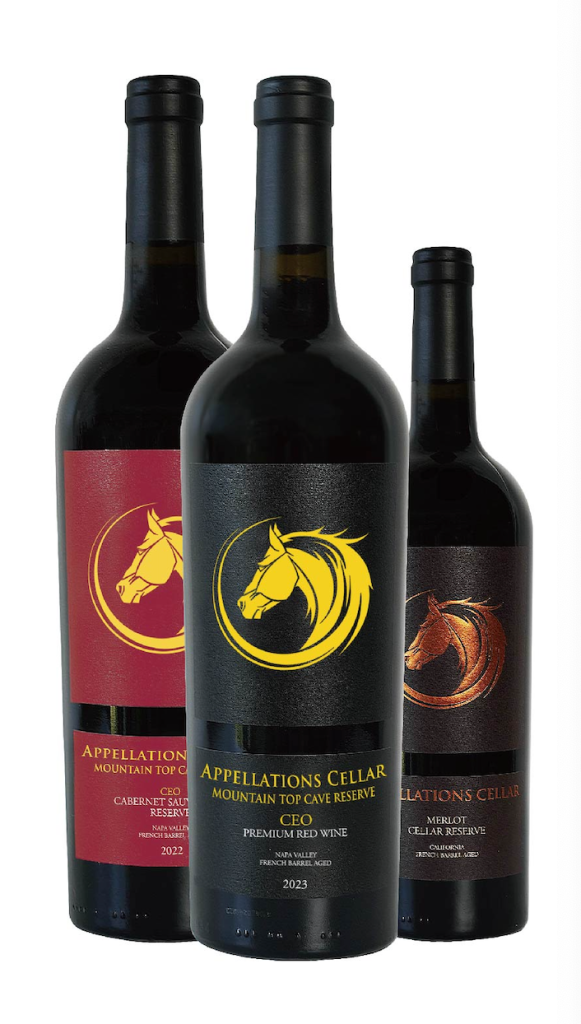
If your wine targets the premium market, a textured paper label can create a more sophisticated and authentic appearance.
If your product is aimed at high-volume retail markets, durability and cost efficiency may be more important.
Premium brands often choose:
- European textured paper
- Cotton paper
- Embossed paper
Mass-market brands often choose:
- BOPP labels
- Synthetic film labels
2. Will the Bottles Be Stored in Cold or Wet Conditions?
This is one of the most important factors.
Some wines are frequently placed in:
- Refrigerators
- Ice buckets
- Cold storage environments
In these situations, moisture resistance becomes essential.
Recommended materials for cold environments:
- White BOPP
- Clear BOPP
- Waterproof synthetic labels
These materials resist water, tearing, and scratching.
3. What Type of Visual Effect Do You Want?
Different materials create different visual impressions.
European Paper
Creates a natural, elegant, and premium appearance.
Best for:
- Boutique wineries
- Vintage collections
- Gift wines
Glossy BOPP
Creates bright colors and a modern look.
Best for:
- Commercial wines
- Beverage brands
- Large retail chains
Matte BOPP
Offers a clean and professional appearance while maintaining durability.
Best for:
- Contemporary wine brands
- Mid-range products
Most Popular Wine Label Materials
European Paper Labels
Advantages:
- Premium texture
- Elegant matte finish
- Excellent for foil stamping and embossing
- Eco-friendly appearance
Limitations:
- Less resistant to water than synthetic materials
- Slightly higher cost
Best for:
Luxury and premium wine brands.
White BOPP Labels
Advantages:
- Waterproof
- Tear-resistant
- Cost-effective
- Suitable for refrigeration
Limitations:
- Less tactile texture than paper
Best for:
High-volume production and export markets.
Clear BOPP Labels
Advantages:
- Transparent “no-label” look
- Modern appearance
- Waterproof
Best for:
Minimalist packaging designs.
European Paper vs BOPP: Which Is Better?
The answer depends on your goals.
Choose European Paper if you want:
- Premium branding
- Natural texture
- Luxury shelf appeal
Choose BOPP if you need:
- Waterproof performance
- Durability
- Cost efficiency
Many wineries use European paper for premium product lines and BOPP for standard product lines.
How Finishing Options Affect Material Selection
The material is only part of the label.
Finishing techniques can significantly enhance the final appearance.
Popular options include:
- Foil stamping
- Embossing
- Spot UV
- Matte varnish
- Die-cutting
European paper combined with foil stamping is one of the most popular choices for premium wine packaging.
Common Mistakes When Choosing Wine Label Materials
Choosing Based on Price Alone
A cheaper material may reduce production costs but weaken brand perception.
Ignoring Storage Conditions
Labels that perform well in dry environments may fail in cold or wet conditions.
Following Trends Without Considering the Brand
The best material is the one that supports your brand story and customer expectations.
Need Help Choosing the Right Wine Label Material?
Every wine brand has different requirements.
We help customers select the most suitable label material based on:
- Brand positioning
- Bottle type
- Storage environment
- Budget
- Printing requirements
Why Work With Us?
- 18+ years of label manufacturing experience
- Custom materials and finishes
- Fast sampling
- Professional material recommendations
- Global shipping support
Contact us today for a free consultation and material recommendation.